Choosing garden equipment involves much more than just personal taste. Available space, exposure to the elements, and expected daily use: each parameter alters the list of priorities. This article compares the criteria that truly weigh in the decision, from material to versatility, to lay the groundwork for a coherent and sustainable outdoor space.
Resistance of garden materials to climatic constraints
Competitors often talk about aesthetics and comfort. They frequently overlook a crucial factor: a material’s ability to withstand prolonged UV exposure, late frosts, and episodes of heavy rain that have increased in recent years. A wicker resin garden set does not age at all like a solid acacia set, and the choice between the two depends as much on local weather as on budget.
| Material | UV Resistance | Frost Resistance | Maintenance Required | Estimated Lifespan |
|---|---|---|---|---|
| Exotic wood (teak, acacia) | High | Good | Annual oiling | Long |
| Wicker resin | Variable depending on quality | Average | Simple cleaning | Medium to long |
| Aluminum | Very high | Excellent | Almost none | Very long |
| Treated steel | Good (if paint is intact) | Good | Rust control | Long if maintained |
| PVC / molded plastic | Low (yellowing) | Fragile to frost | None | Short to medium |
Aluminum stands out as the most neutral material in the face of uncertainties. On the other hand, wood remains the only material that develops a patina without degrading when properly oiled. PVC, despite its attractive entry price, does not withstand repeated freeze-thaw cycles well and quickly loses its appearance under UV rays.
To compare the available ranges and identify equipment suited to each constraint, you can visit the Clic Garden website, which brings together several categories of outdoor equipment.
Multi-purpose garden equipment: an outdoor space that truly serves
A garden no longer serves a single function. The same space alternates between a family meal, an afternoon of play for children, a repotting session, and sometimes an outdoor workspace. This shift towards hybrid uses changes the hierarchy of purchases.
A versatile piece of equipment often replaces two or three specialized items. A storage bench, for example, provides storage for gardening tools while offering additional seating. An extendable table transitions from a compact surface for breakfast to a dining area for eight people.
Criteria to evaluate before each purchase
- Modularity: can the equipment change configuration or location effortlessly (wheels, stackable elements, integrated extensions)?
- Weight and footprint when at rest: heavy cast iron furniture is stable in the wind but difficult to move to free up space.
- Compatibility with the ground: slabs, lawn, wooden terrace, or gravel do not accommodate the same bases without risk of marks or instability.
- Integrated storage capacity: models with storage under the seat or side compartments limit the need for a separate shed.
Thinking of the outdoor space as a modular area rather than a fixed one avoids redundant purchases. Three well-chosen pieces of equipment cover more situations than six single-use items that clutter the garden.
Gardening tools: battery, gas, or manual
The type of power source for a gardening tool determines its weight, autonomy, noise level, and long-term maintenance costs. Again, the surface and nature of the soil guide the choice more than the brand or listed price.
| Power Type | Main Advantage | Main Limitation | Suitable for |
|---|---|---|---|
| Battery (lithium-ion) | Lightweight, quiet, cordless | Limited autonomy | Small to medium gardens |
| Gas (petrol) | Power and autonomy | Noise, engine maintenance | Large areas, heavy work |
| Manual | No operating cost | Physical effort | Routine maintenance, small areas |
Battery-powered tools cover the majority of domestic uses for modest-sized gardens. Their autonomy is improving, and sharing a single battery among several tools in the same range reduces overall costs. Conversely, for a large area with thick hedges or brambles, a gas tool remains hard to replace.
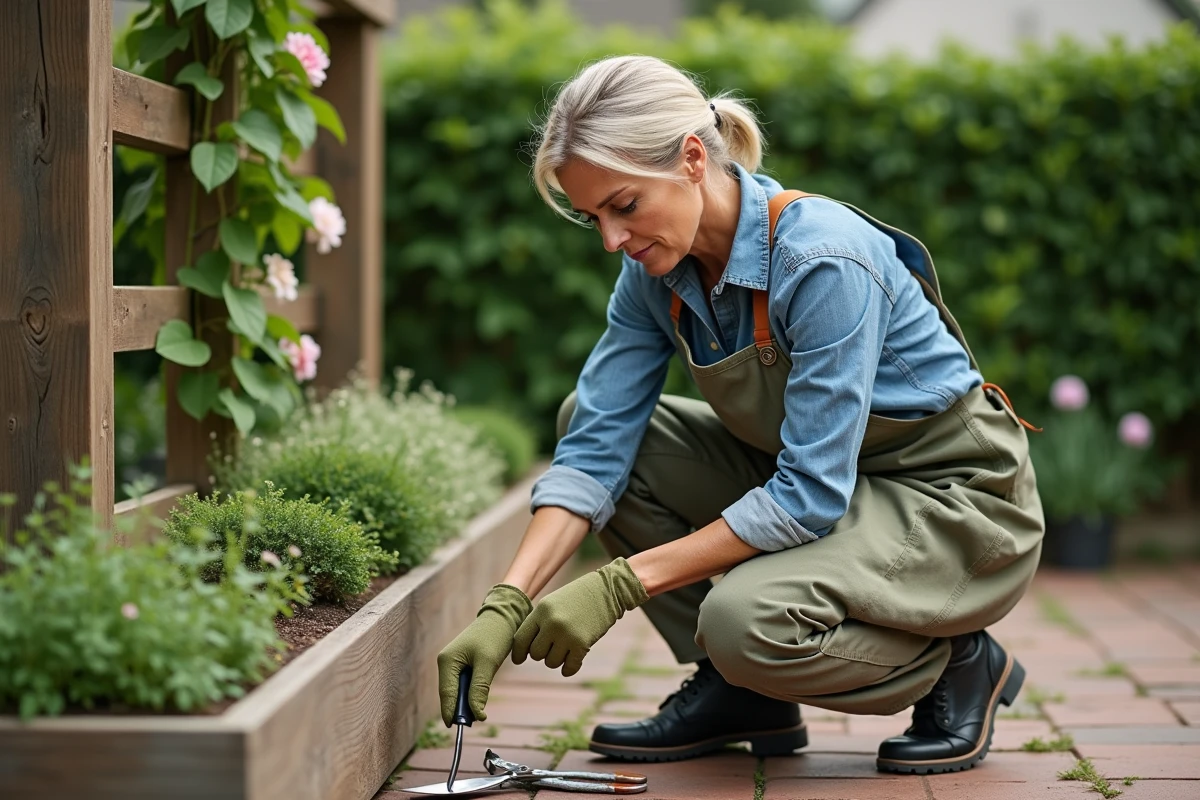
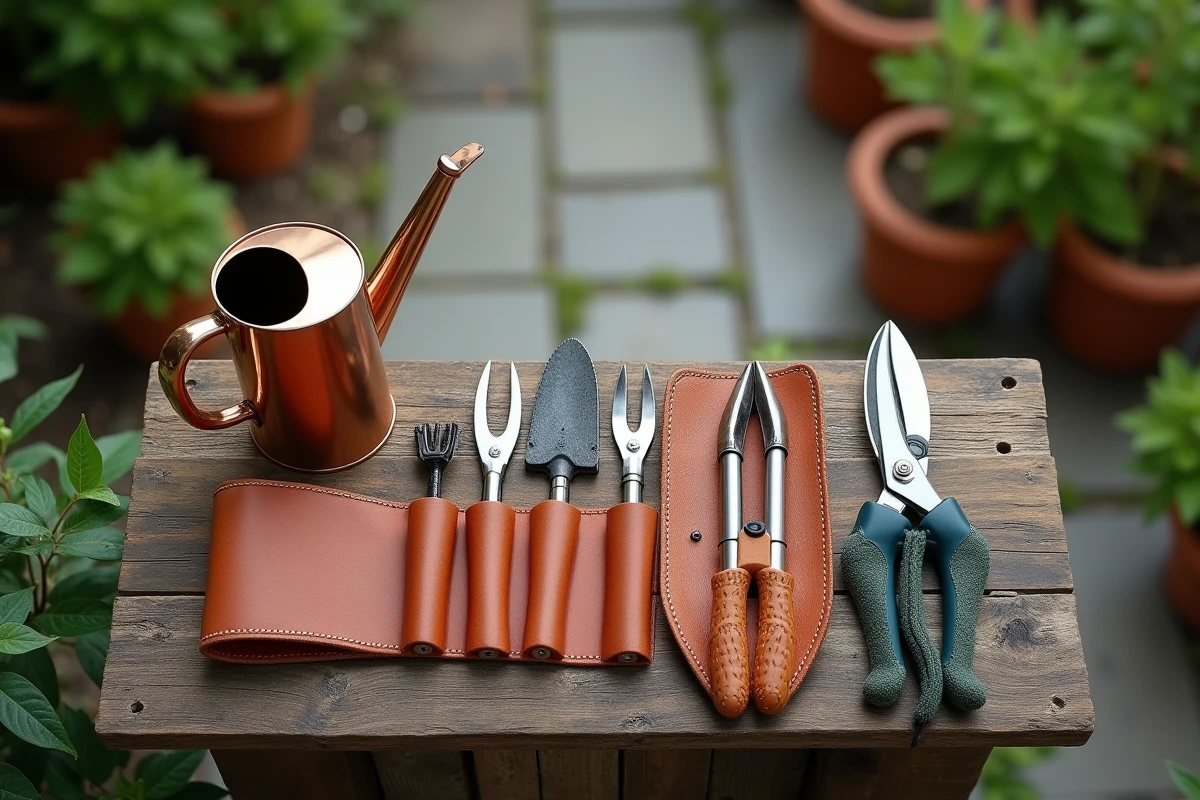
The manual tool remains highly relevant for daily tasks: pruners, trowels, rakes. A good pruner with a sharp, straight blade lasts for years and provides cleaner cuts than a low-end electric model. The ergonomics of the handle (diameter, non-slip coating, length) are as important as the quality of the blade.
Durability and repairability of garden equipment
European policies on eco-design and the right to repair are beginning to affect outdoor equipment. This trend encourages manufacturers to offer spare parts available for several years and disassemblable designs.
Checking the availability of spare parts before purchase changes the actual profitability of a piece of equipment. A hedge trimmer with individually replaceable batteries costs less over five years than a model with a soldered battery, even if the initial purchase price is higher.
- Favor brands that indicate a duration of availability for parts (blade, battery, wheel, replacement fabric for parasol or gazebo).
- Check if the furniture structure is assembled with standard screws or with proprietary clips that are difficult to replace.
- Observe the quality of welds and finishes on metal parts, especially at stress points.
A repairable piece of equipment protects the budget in the long term and reduces waste volume. The disposable logic applied to gardening becomes expensive after the second replacement.
Choosing garden equipment comes down to three filters: compatibility with the local climate, suitability for the actual uses of the space, and the ability to last without premature replacement. Each filter eliminates options, simplifying the final decision much more than a comprehensive catalog.