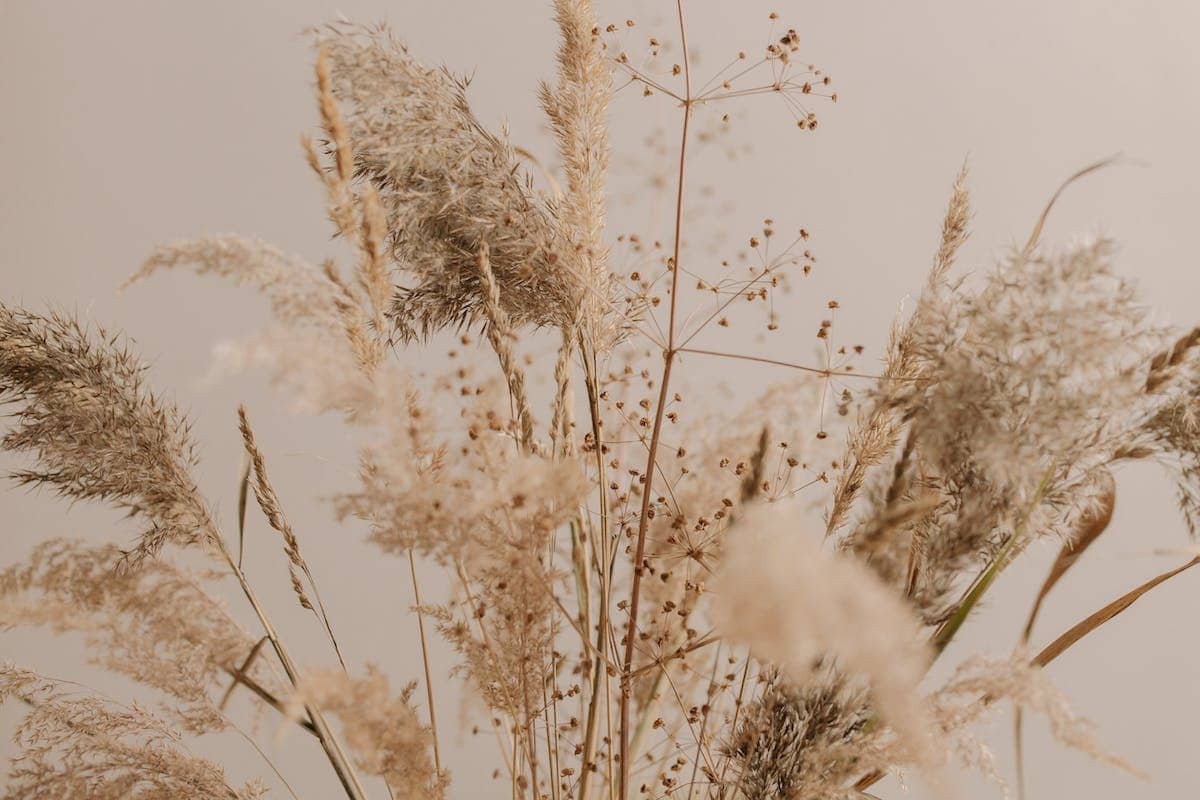
Pampas grass, an impressive and robust ornamental plant, requires specific care to maintain its beauty and vigor. Pruning is one of these essential cares, but it must be done appropriately to ensure the plant’s health. Indeed, improper pruning can hinder the growth of pampas grass and even cause irreversible damage. Therefore, it is crucial to know and master the best pruning techniques. The pruning process is not limited to removing excess parts; it also involves knowing the ideal time to perform this operation.
Discover pampas grass: a plant with wild charm
Pruning pampas grass is an operation that requires caution and precision. This majestic plant, native to South American regions, needs specific maintenance to maintain its elegant stature and promote its flowering.
First, the optimal time to perform the pampas grass pruning occurs at the end of winter or the beginning of spring. Indeed, this period corresponds to the stage when the plumes lose their luster and start to wilt. This characteristic allows for easy identification of the stems to be removed.
The choice of necessary tools is also an important step in the pampas grass pruning process. Due to its sharply pointed and tough leaves, using a well-sharpened pruner is essential to avoid any tearing that could damage the plant. It is also recommended to wear a pair of thick gloves to protect yourself during this often risky operation.
Two techniques are generally favored when it comes to performing pampas grass pruning: total or partial cutting and targeted thinning. Cutting involves trimming all the stems close to the ground to stimulate growth; it can be considered when you want to significantly slow down its natural rapid expansion.
On the other hand, thinning aims for a less radical regulation where only certain central parts are cut.
However, it is important to be aware that each plant has its own characteristics mainly due to its immediate environment or even its specific type; therefore, it will be necessary to adapt your techniques accordingly.
Skillful and intelligent practice regarding ‘pampas grass pruning’ will not only encourage vigorous growth but also help limit the risks associated with diseases or pests that could potentially harm your beautiful ornamental grass.

Pampas grass pruning: key points to know
The division pruning technique is a commonly used method for multiplying pampas grass seedlings. It not only allows for renewing existing clumps but also for creating new specimens from underground rhizomes.
To successfully carry out this operation, be sure to gently free the mother plant from the soil, taking care not to damage its roots. Once extracted, the clump should be divided into several distinct parts while ensuring that each fragment has a root system and a few vertical leaves.
Once the divisions are made, it is recommended to use a nutrient-rich potting mix to replant each piece individually in pots or directly in the ground according to preferences to promote their recovery. Maintaining regular and moderate watering will also help in the proper development of the new seedlings.
It is important to note that special attention should be paid to the environmental conditions when opting for this technique. Indeed, pampas grass particularly enjoys well-drained soils and requires optimal sunlight exposure to thrive fully. Therefore, choosing an appropriate location before any transplantation remains crucial to ensure healthy and vigorous growth.
After dividing the giant grass clumps, it may be wise to consider an organic fertilizer application to stimulate their growth. This will help strengthen their nutrient reserves and optimize root development.
The division pruning technique represents an effective method for maintaining and multiplying pampas grass seedlings. By following these steps carefully, you will be able to revitalize your existing clumps while creating new pots to add to your garden. Feel free to experiment with this approach to fully appreciate the beauty and brilliance of the ornamental grasses that enhance your outdoor space.
Division: the ideal method for pruning pampas grass
The cutting technique is a proven method for keeping pampas grass healthy and giving it a neat appearance. This technique involves cutting the stems and faded or damaged leaves, which not only helps to remove unsightly parts of the plant but also stimulates its growth.
To carry out this operation, it is important to keep in mind that the main goal of cutting is to promote the regeneration of new shoots as early as the next spring.
In addition to improving the overall appearance of your pampas grass, this technique also offers certain horticultural advantages.
Thinning: another approach to pruning pampas grass
After pruning the pampas grass, it is essential to meticulously clean this majestic plant.
It is crucial to meticulously clean the area where your pampas grass is located after pruning. Indeed, plant debris can accumulate there and harm its development. It is recommended to use a stiff brush or rake to remove the residues without damaging the delicate stems.
You will need to fertilize the soil around the pampas grass to provide the necessary nutrients for its optimal growth. Ideally, choose a nitrogen-rich organic fertilizer, an essential element for the proper development of the plants.
Once you have fertilized the soil, ensure that it is well-draining. Standing water can be harmful to pampas grass, which prefers a humid but well-aerated environment. If necessary, incorporate sand or gravel into the soil to improve its structure and facilitate drainage.