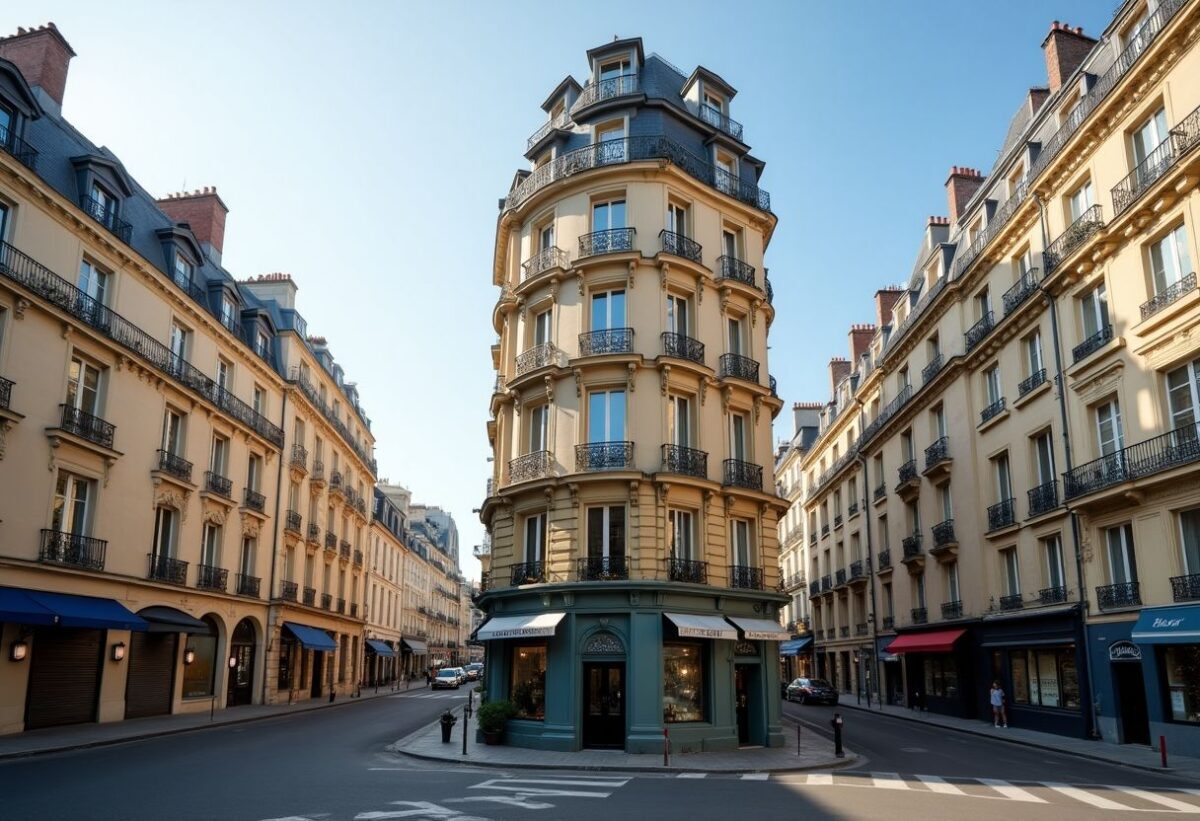
The French capital, with its timeless charm and rich architecture, attracts many investors and property owners. But before finalizing a real estate transaction in Paris, it is imperative to understand the nuances of property diagnostics. This process, often perceived as a formality, actually holds crucial importance, ensuring not only the safety of future occupants but also the legal compliance of buildings. As you traverse the historic and modern streets of Paris, each building hides its own stories and, sometimes, its own secrets. A property diagnostic in Paris not only serves to assess the condition of a property, but it also offers a window into the complex interaction between man and the built environment in a unique historical and urban setting.
With its strict regulations and precise legal framework, property diagnostics in Paris are an essential pillar in real estate transactions, providing protection for both the seller and the buyer.
Understanding the different types of diagnostics
Every real estate transaction in Paris requires a series of mandatory diagnostics. These assessments help ensure the safety of occupants and compliance with current standards.
- Energy performance diagnostic (DPE): It evaluates the energy consumption of a building and its impact in terms of greenhouse gas emissions.
- Asbestos diagnostic: Essential for buildings constructed before 1997, it checks for the presence of asbestos, a material hazardous to health.
- Lead diagnostic: Required for homes built before 1949, this diagnostic assesses the presence of lead in paints.
- Termite diagnostic: In certain geographical areas, the presence of termites is a major risk. This diagnostic checks for the presence of these destructive insects.
Why property diagnostics are essential in Paris
Paris, with its unique blend of old and modern buildings, poses particular challenges in terms of property diagnostics. The city is home to a multitude of historical structures that require special attention. Conducting a property diagnostic in Paris ensures that transactions proceed smoothly and protect the interests of all parties involved.
The importance of these diagnostics lies in their ability to reveal hidden defects that might otherwise go unnoticed. For example, an old building could be a haven for termites or contain harmful materials like asbestos.
Diagnostics thus contribute to preserving architectural heritage while ensuring the safety of residents.
The legal consequences of a poor diagnostic
Ignoring or neglecting a property diagnostic can lead to serious legal and financial consequences. In Paris, where regulations are strict, sellers must be particularly vigilant.
In the event of a sale without the required diagnostics, the buyer has the option to cancel the transaction or request a reduction in the sale price. Hidden defects, if discovered after the purchase, can also lead to costly legal disputes. Such a situation can result in additional costs that the seller must bear.
Choosing the right professional for your diagnostics
Choosing the right diagnostician is a crucial step in the sales process. A competent and certified inspector ensures accurate and reliable results.
- Check certifications and ensure that the professional is accredited by the relevant authorities.
- Prefer professionals with a good reputation and experience in the Parisian sector.
- Ask for recommendations and consult reviews from previous clients to assess the quality of their services.
- Do not hesitate to compare several quotes to get the best value for money.