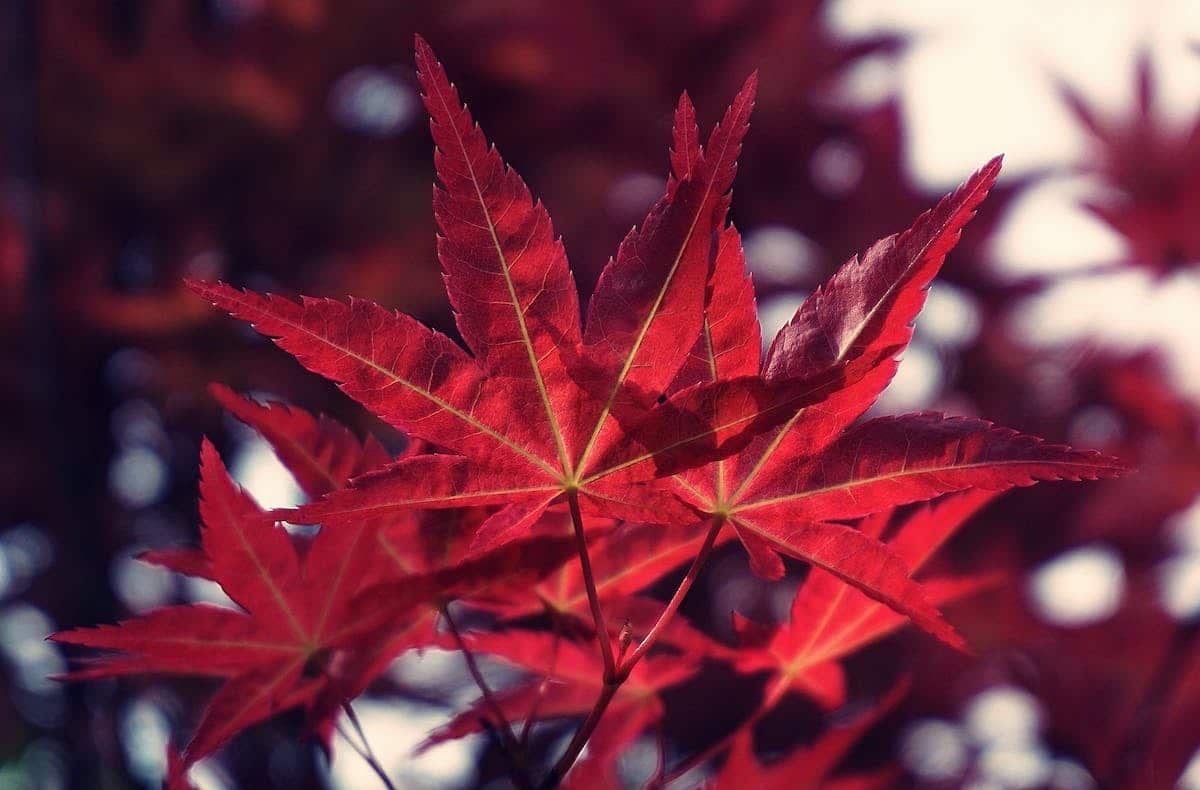
Japanese Maples, with their delicate aesthetics and vibrant hues, are favorites among many gardeners. However, a common issue with these picturesque trees is leaf drying, which can destroy their beauty and harm their health. Dehydration, scorching sun, pest attacks, or diseases can all cause this phenomenon. To keep these trees healthy and prevent leaf drying, effective preventive measures are necessary. Here are some tips to help keep your Japanese Maple in great shape.
Japanese Maples: Understanding Leaf Drying
Diagnosing the causes of leaf drying in Japanese maples is a key element in preventing and treating this problem. Indeed, the phenomenon of the Japanese maple with dry leaves can be triggered by a multitude of factors. Accurate identification allows for the establishment of an effective treatment.
One of the main sources of the problem often lies in water management: both its lack and excess can disrupt Japanese maples and lead to a state of dry leaf. Weather conditions as well as your own watering techniques can influence this delicate balance.
Poorly executed pruning is also a frequent cause leading to the state of an Japanese maple with dry leaves: a cut that is too severe can harm the overall health of your tree, accelerate its premature aging, and promote drying.
Among other frequent culprits are various pests like aphids or mites that directly draw from the sap of these magnificent trees, leading to their gradual deterioration until they reach a sad state of Japanese maple with dry leaves.
Additionally, certain fungal diseases can inflict significant damage on Japanese maples, particularly causing premature wilting that highlights the disheartening condition of a Japanese maple with dry leaves.
To counter pest or fungal invasions implicated in the Japanese maple with dry leaves, it is advisable to resort to natural remedies and encourage the presence of their natural predators. Plant-based insecticides also prove effective.
Regarding the overall well-being of your Japanese maple with dry leaves, be cautious with fertilizers: using them in moderate amounts avoids harmful overload for its delicate roots.
The location plays a significant role in the overall health of your maple. A semi-shaded spot would be ideal to protect the tree from intense sunlight during hot hours, while regular but discreet pruning will ensure optimal air circulation around its elegant silhouette.

Environmental Factors and Leaf Drying in Japanese Maples
Environmental factors play a crucial role in the health of Japanese maples and can contribute to the premature drying of their leaves. Among these factors are wind exposure, excessive heat, and extreme weather conditions.
Wind exposure is an important element to consider. Strong winds can lead to excessive evaporation of moisture present in the soil, which can dry out the leaves of the Japanese maple. You must water regularly to maintain adequate hydration.
Desertification due to climate change has also negatively affected their normal growth as well as the overall quality of the soil where they are planted. Nutrient-depleted soil will not be able to provide all the essential elements the tree needs to develop properly and resist diseases.
It is important to mention the significance of irrigation water quality. Tap water may contain substances such as chlorine or mineral salts in excessive amounts, which can harm the health of Japanese maples. You need to consider environmental factors when seeking to prevent leaf drying in Japanese maples. By taking into account elements such as wind exposure, excessive heat, extreme weather conditions, as well as soil quality and irrigation water, you can promote healthy and vigorous growth in your maple while avoiding the sad state of leaf drying that is so dreaded by ornamental tree enthusiasts like this Japanese maple with dry leaves.
Avoid Care Mistakes to Preserve the Leaves of Japanese Maples
When caring for your Japanese maples, be sure to dry the leaves.
Remember not to overwater the trees. Excess water can lead to moisture accumulation in the soil, which can cause root rot and severely damage the maple. It is best to regularly check the soil condition before watering to ensure it is not already sufficiently moist.
Also avoid large amounts of chemical fertilizers. While nutrients are important for the growth of Japanese maples, an excess of fertilizers can burn the roots and cause irreversible damage to the tree. Instead, opt for organic or natural fertilizers sparingly.
Another common mistake to avoid is excessive or inappropriate pruning of the maple. Poorly done pruning can weaken the tree by removing too many branches, disrupting its structural balance and its ability to properly absorb the water and nutrients it needs.
Be sure to protect your Japanese maples from pests such as aphids or mites that can feed on the leaves and cause premature drying. Use biological or environmentally friendly methods to combat these pests, such as using natural insecticides or resorting to natural predators.
Don’t forget to maintain a good balance between shade and light. Japanese maples need a certain level of sun exposure for optimal growth, but excessive exposure can lead to leaf drying. Therefore, ensure that you plant your trees in a spot where they will benefit from a balance between direct sunlight and shaded areas.
By avoiding these common mistakes and adopting a careful approach to caring for your Japanese maples, you will promote their overall health and significantly reduce the risks of leaf drying. Thus, you can fully enjoy the graceful beauty of these iconic trees that add a unique touch to your garden or outdoor space.
Natural Prevention of Leaf Drying in Japanese Maples
In the fight against leaf drying in Japanese maples, there are also several natural prevention methods to consider.
Good hydration is essential to maintain the health of these delicate trees. It is recommended to perform regular and moderate watering to avoid sudden variations in water supply. One tip is to use a drip irrigation system to provide constant hydration to the roots without the risk of overwatering.
Mulching can be used as an effective technique to retain moisture in the soil and protect the roots of Japanese maples.
Specific Treatments to Save the Leaves of Japanese Maples
To complement these preventive measures, specific treatments can be applied to combat the drying of leaves in Japanese maples.
Be sure to highlight the effectiveness of celandine sprays. This medicinal plant has healing and antifungal properties that help strengthen the natural defenses of the maple. Dilute a few drops of celandine extract in water and spray this solution on the affected leaves.
Composting can also play a key role in preserving the health of Japanese maples. By incorporating organic compost into the roots, you will promote their development and resilience to harsh weather conditions.
There are several biological products available on the market that stimulate growth and strengthen the natural defenses of maple seedlings. These organic fertilizers, rich in essential nutrients such as nitrogen, phosphorus, and potassium (NPK), promote healthy growth without compromising environmental balance.
Let’s not forget that careful observation is crucial for quickly detecting any early signs of drying or disease in your Japanese maples. If you notice abnormal coloring or premature wilting of the leaves, it is advisable to consult a qualified arborist for expertise and tailored advice.
Preventing leaf drying in Japanese maples requires a combination of preventive measures such as regular watering, the use of mulch, and careful observation. In addition, specific treatments such as celandine sprays and the use of organic fertilizers can help strengthen the overall health of the trees. By following these wise tips, you can keep your Japanese maples in great shape and enjoy their beauty throughout the year.
Tips for Maintaining Healthy Leaves on Japanese Maples
To preserve healthy and vibrant leaves, be sure to take good care of your Japanese maples throughout the year. Here are some additional tips to maintain their vitality:
The quality of water: ensure you use good quality water for watering your trees. Tap water may contain chemicals such as chlorine that can harm the health of the leaves. Preferably use filtered or collected water.
Sun exposure: Japanese maples generally prefer a semi-shaded position to avoid excessive sunlight that could lead to rapid leaf drying. Therefore, be sure to choose an appropriate location in your garden.
Regular pruning: performing regular pruning not only helps maintain the aesthetic shape of your tree but also removes dead or diseased branches that could affect the overall health of the maple.
Pest and disease control: closely monitor for any presence of insects, such as aphids or mites, as well as signs indicating the presence of fungal diseases like rust or powdery mildew on your leaves.
Proper fertilization: periodically providing a fertilizer specific to the nutritional needs of Japanese maples will promote their harmonious growth and strengthen their natural defenses against external threats.
Applying mulch: by adding a layer of organic mulch around the roots, you will reduce water evaporation and thus maintain an adequate moisture level in the soil, which will be beneficial for the overall health of the leaves.
Proper wintering: be sure to prepare your Japanese maples well before the winter season by protecting them from frost with a winter cover or a special tarp. This will help prevent damage caused by extreme cold.
By applying these valuable tips and staying attentive to the signals your tree may give you, you will certainly be able to maintain healthy and vibrant leaves on your Japanese maples throughout the year. Fully enjoy their natural beauty and provide them with the necessary care so they can beautify your garden for many years to come.