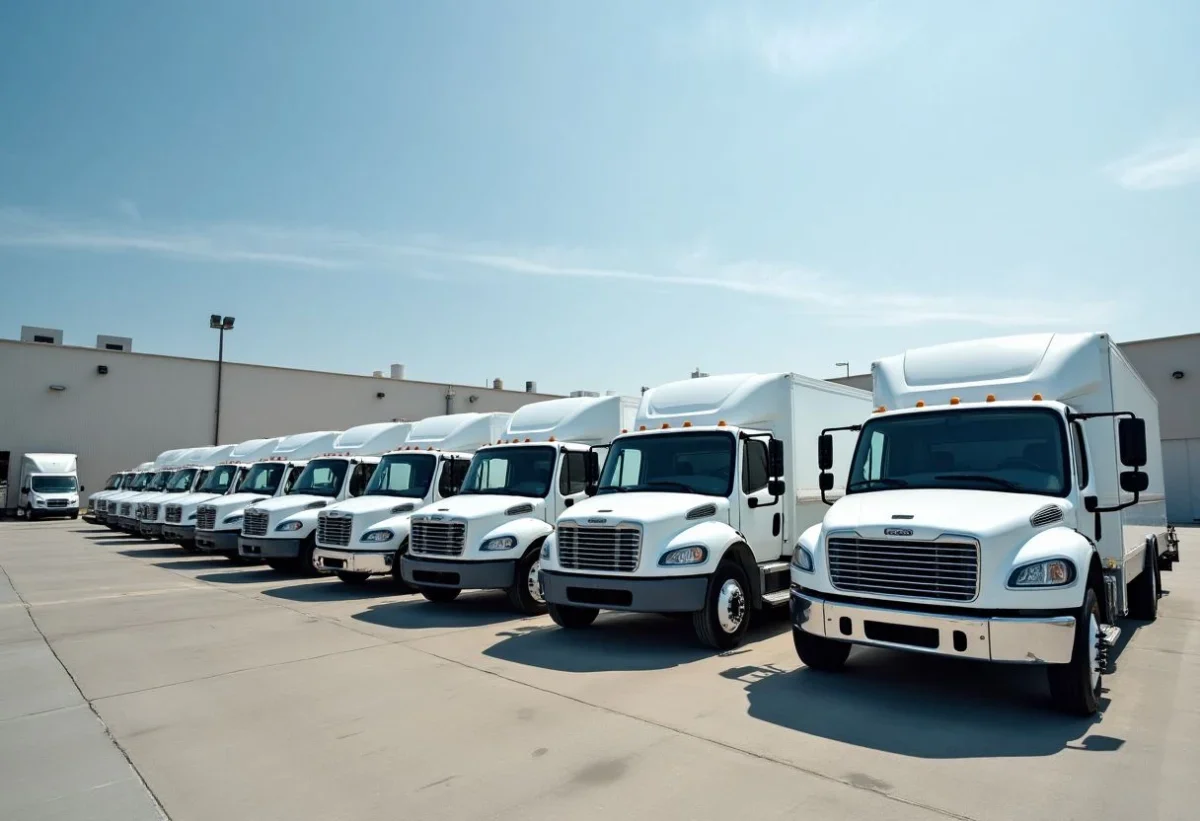
In a world where delivery speed and optimal resource management are becoming economic imperatives, fleet tracking proves to be an indispensable ally for businesses. It is a technology that continues to develop, offering innovative solutions to improve vehicle management, reduce costs, and increase productivity. Imagine for a moment a system where each vehicle is monitored in real-time, providing valuable data on routes, mechanical status, and driver behavior. Such a technological advancement not only transforms logistics but also strengthens the competitiveness of companies in the global market.
The Foundations of Fleet Tracking
Fleet tracking relies on the interconnection of various technologies that work together to ensure constant monitoring of vehicles.
The basic concept is based on the use of geolocation devices, such as GPS, which allow for real-time tracking of each vehicle’s position. This real-time location is essential for dynamic route management, enabling immediate adaptation to unforeseen events like traffic jams or roadworks. Tracking systems also provide data on fuel consumption, speed, and driving time. This information is vital for optimizing routes, reducing costs related to fuel and repairs, and ensuring driver safety. By integrating the collected data into specialized software, fleet managers can analyze trends and anticipate future needs, making each trip more efficient than before.
Benefits for Businesses
Adopting a fleet tracking system provides a company with a multitude of notable benefits, from logistics to savings and safety.
- Reduction of operational costs: optimal use of resources minimizes expenses related to fuel and repairs.
- Improvement of safety: monitoring driver behavior promotes safer driving, thereby reducing the risk of accidents.
- Increase in productivity: thanks to effective route management, deliveries are faster and downtime is reduced.
- Increased customer satisfaction: an overall improvement in service, with timely and reliable deliveries, strengthens customer trust.
Fleet Tracking and Ecological Transition
As the planet demands concrete actions to preserve the environment, fleet tracking positions itself as an essential tool for a successful ecological transition in the transport sector.
Modern systems allow for precise tracking of fuel consumption and analysis of CO2 emissions. By optimizing routes and promoting eco-responsible driving, companies can significantly reduce their carbon footprint. This shift to greener management is not only beneficial for the environment but also enhances the brand image of companies, allowing them to stand out in a market where environmental responsibility becomes a choice criterion for many consumers.
The Challenges of Fleet Tracking
Despite its many advantages, fleet tracking also presents challenges that companies must overcome to fully leverage its potential.
- Technological integration: implementing a tracking system requires a robust technological infrastructure and trained personnel for its use.
- Privacy management: with the increase in digital tracking, protecting employees’ personal data must be ensured to avoid privacy issues.
- Initial cost: the upfront investment to install and deploy these systems can be a barrier for some companies, although it is often offset by long-term savings.
- Resistance to change: adapting the behaviors of drivers and managers to these new technologies requires effective change management.
Fleet tracking represents a major advancement in the field of transport management. In the face of growing market demands and the need to reduce their environmental impact, companies that adopt this technology will be better positioned to navigate a constantly evolving business landscape.