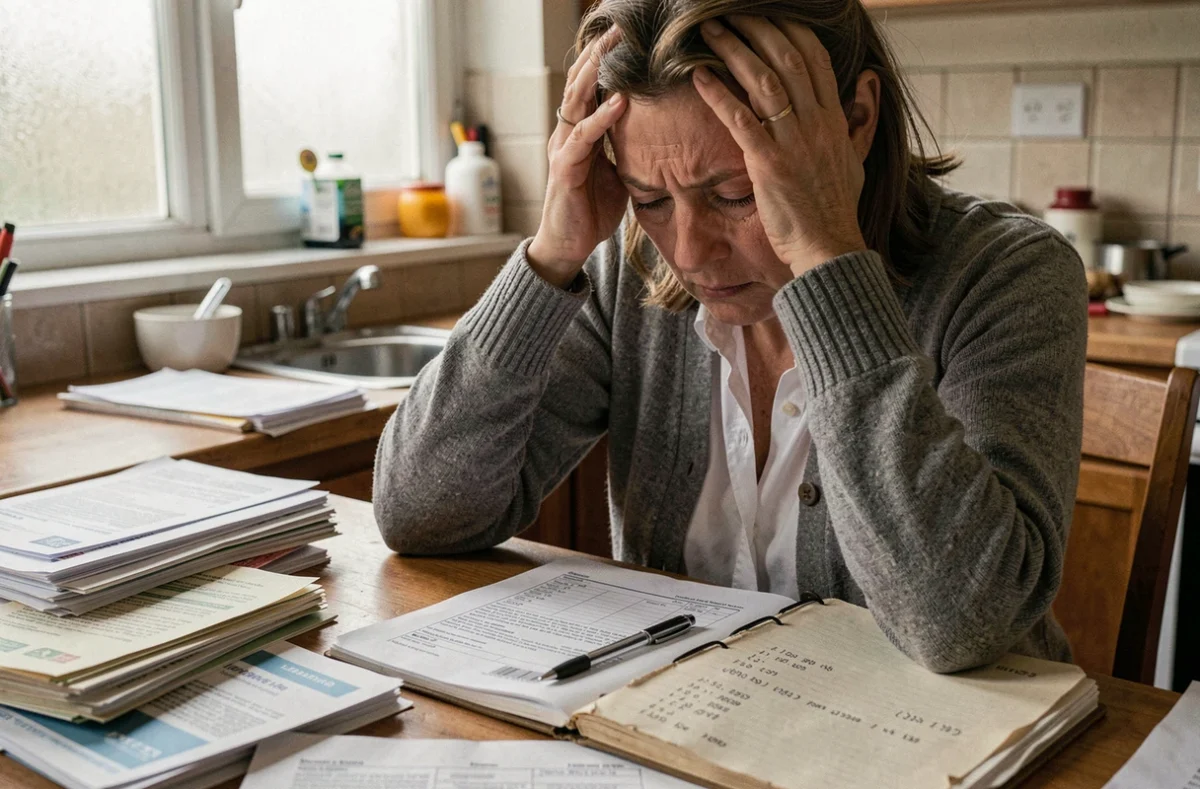
When bills pile up and the end of each month becomes a source of anxiety, the over-indebtedness procedure represents a legal and free recourse. Filed with the Banque de France, the over-indebtedness file allows you to freeze creditor actions and seek a solution tailored to your financial situation. However, you need to know which documents to gather, in what order to act, and what actually happens after the filing.
Mini-loans and installment payments: debts often forgotten in the file
Did you pay for an appliance in three installments, and then a subscription in four installments via an app? Taken separately, these amounts seem negligible. Added up over several months, they reach the weight of a traditional loan.
The ordinance of September 3, 2025, reforms consumer credit. Starting from November 20, 2026, installment payments, mini-loans, and lease-to-own agreements will be subject to stricter regulations. A direct consequence for an over-indebtedness file: these commitments must be included.
Before touching the form, make a complete list of your debts. Don’t stop at visible bank withdrawals. Include payment facilities granted by merchants or deferred payment apps. The commission reviews all your expenses. Forgetting a commitment can slow down the examination of the file or lead to a rejection for incomplete declaration.
You can find all the steps on Expert Finances to ensure that your debt inventory leaves nothing out.
Supporting documents for the over-indebtedness file: what really blocks files

An official form, supporting documents to attach. The list seems short. In reality, missing documents are the primary cause of delays in processing files.
The documents that often pose problems:
- The amortization schedules for each ongoing loan, including revolving credit. Many debtors no longer keep them and must request them from each lender, which takes time.
- Personalized invoices for current expenses (rent, energy, insurance) for the last three months. A simple bank statement is not sufficient; the commission requires invoices in your name.
- Tax notices or non-tax notices from the last two years. They help measure your actual resources, beyond your monthly income.
- Letters of formal notice or payment orders. They show the status of the actions taken against you.
Gather these documents before you start filling out the form. On the Banque de France website, if a document is missing, the file remains pending. The processing time only starts from the receipt of a complete file.
Admissibility of the file: the criteria that the commission checks
The over-indebtedness commission does not just check for the presence of documents. It verifies three specific points, and each can lead to a rejection.
First, the good faith of the debtor. Did you take out loans knowing you would not be able to honor them? Did you hide income? Good faith is presumed, but creditors have the option to contest it before the commission.
Professional debts are excluded from the procedure. If you are a self-employed person and your debts are related to your activity, the over-indebtedness file does not apply. You must then turn to the procedures of the commercial court.
The third point concerns the manifest impossibility of repayment. The commission compares your resources (salaries, social benefits, aids) with your non-negotiable expenses, and then compares them to the total of your debts. A remaining amount to live on that is too low compared to the burden of repayments confirms this impossibility.
As soon as the file is declared admissible, creditor actions can be suspended while the examination is ongoing.
In case of refusal: possible appeals
A rejection does not close the door permanently. You can contest the decision before the competent judge. This appeal is free and does not require a lawyer.
If your situation has changed since the refusal (job loss, separation, new debt), you can file a new application.
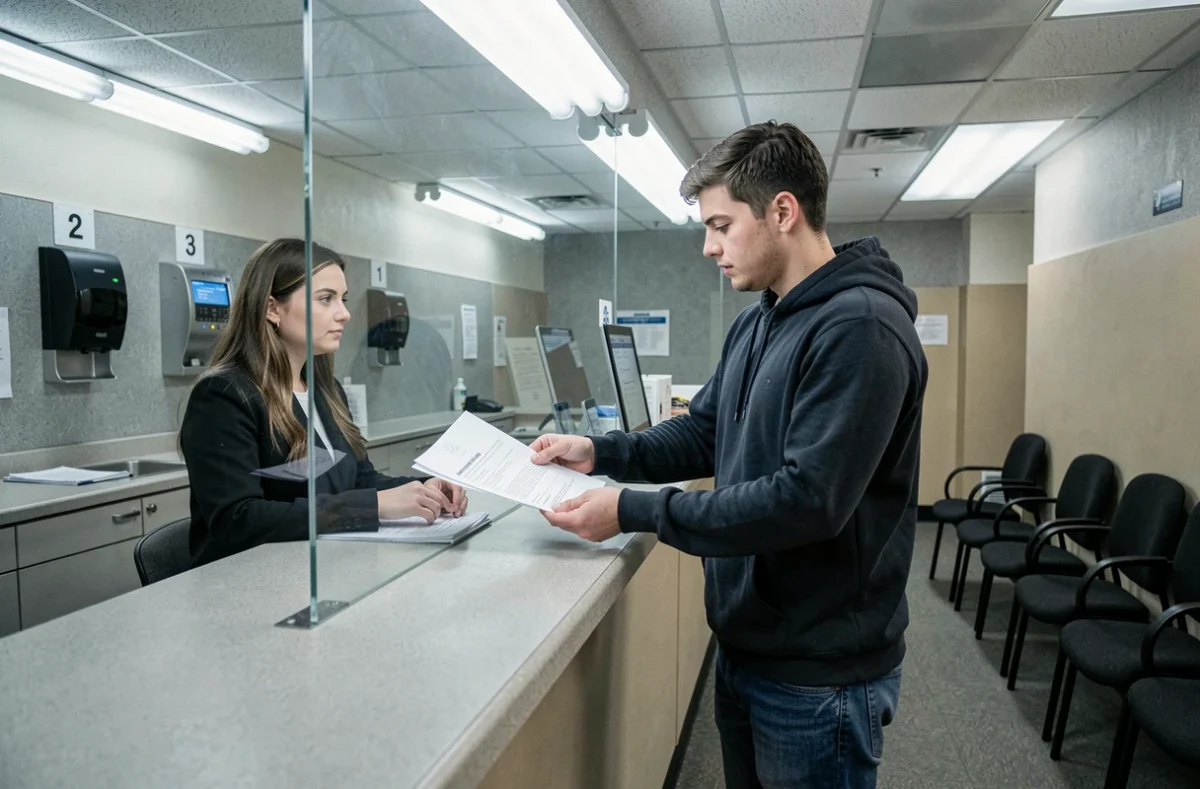
Solutions after admissibility: conventional plan or imposed measures
Once the file is declared admissible, the commission first attempts to find an amicable agreement with your creditors. This is known as the conventional recovery plan.
This plan may provide for a rescheduling of debts over several years, a reduction in interest rates, or a partial postponement of deadlines. Each creditor must give their consent. The refusal of just one is enough to invalidate the plan.
Without an amicable agreement, the commission has the power to impose measures. It can freeze debts, erase part of them, or direct you towards a personal recovery procedure. The latter option concerns the most serious situations and results in a total erasure of debts, with or without liquidation of your assets.
From the moment of admissibility, your name is entered in the repayment incident file (FICP), managed by the Banque de France. This registration makes it very difficult to obtain new credit for the duration of the procedure.
Solvency verification and prevention: what changes from November 2026
Starting from November 20, 2026, lenders will need to better document the assessment of solvency before granting credit. They will also be able to optionally consult the national repayment incident file, including for certain small loans.
For a person in a situation of financial fragility, this evolution has a direct effect. Credits granted without serious verification can be contested during the preparation of the over-indebtedness file. If a lender has not complied with their assessment obligations, the commission can take this into account in favor of the debtor.
Keep your credit contracts, general conditions, and exchanges with lending organizations. These documents serve as proof if you believe that credit was granted to you when your resources at the time did not allow it.
A complete, honest, and documented over-indebtedness file moves through the examination stages more quickly. An incomplete file multiplies back-and-forth with the commission and prolongs an already difficult period.